
Understanding Employer Responsibilities for Workplace Fire Safety
Employers and site managers play an important role in preventing workplace fires and ensuring that employees understand the hazards associated with their activities. Welding, cutting, equipment maintenance, construction, and other operations may introduce ignition sources or affect existing fire protection arrangements. Organizations should evaluate these conditions and establish appropriate controls based on applicable OSHA standards, local fire codes, and workplace procedures.
Fire prevention responsibilities extend beyond providing equipment or displaying safety notices. Employers should identify hazards, maintain suitable protective systems, train workers, and establish clear procedures for reporting unsafe conditions. Site managers help coordinate these activities by communicating expectations to employees and contractors. A consistent approach supports better supervision and makes it easier to address changing workplace conditions.
Reviewing Applicable OSHA Standards and Safety Requirements
OSHA requirements related to fire prevention may involve several standards depending on the work environment. Welding and cutting activities, hazardous materials, electrical work, and confined space operations can each involve specific safety provisions. Employers should identify the standards relevant to their workplace and ensure that procedures reflect the actual tasks being performed.
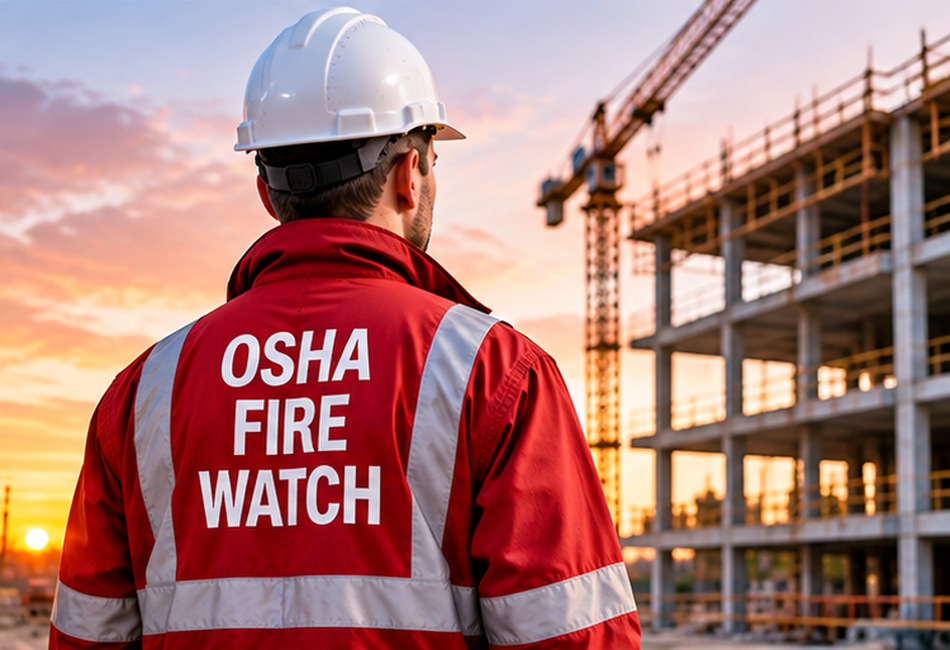
OSHA Fire Watch is a commonly used industry phrase, but it should not be treated as the name of one universal OSHA regulation. Employers should review the applicable welding and cutting provisions, other relevant workplace standards, local fire codes, and instructions from the authority having jurisdiction. Qualified safety professionals can help determine which fire watch duties and precautions apply to a particular situation.
Conducting Workplace Fire Hazard Assessments
Employers should assess workplace conditions to identify potential ignition sources and combustible materials. The review may include electrical equipment, machinery, storage areas, temporary heating devices, flammable substances, and activities that generate sparks or heat. Managers should also consider the building layout and whether a fire could affect nearby work areas or occupied spaces.
Assessments should be repeated when conditions change. New equipment, construction work, relocated materials, or changes in production schedules may introduce hazards that were not present during an earlier inspection. Supervisors should communicate these developments to the responsible safety personnel and determine whether existing controls remain suitable. Regular reviews help organizations identify concerns before they develop into more serious problems.
Establishing Safe Hot Work Authorization Procedures
Hot work activities such as welding, cutting, brazing, and grinding should be planned before they begin. Employers should determine whether a permit or formal authorization is required under applicable standards, local fire codes, or facility procedures. The process should identify the work location, responsible personnel, potential hazards, and precautions necessary for the task.
Before work starts, the area should be inspected for combustible materials and conditions that could allow sparks or heat to reach nearby locations. Workers should understand the restrictions associated with the authorization and know how to report changing conditions. If the work moves to another area or additional hazards are identified, supervisors should review the authorization before allowing the activity to continue.
Determining When Fire Watch Duties Are Necessary
Fire watch responsibilities may apply when required by specific OSHA provisions, local codes, facility procedures, or the hazards identified during a work assessment. Employers should evaluate the type of hot work, surrounding combustible materials, building layout, and locations that may be exposed to sparks or heat. The decision should be based on applicable requirements rather than a general assumption that every hot work task needs the same arrangement.
When fire watch is required, employers should define the assigned person’s responsibilities and provide suitable instructions. These may include observing designated locations, maintaining communication, reporting unsafe conditions, and following established emergency procedures. The assigned person should not be distracted by unrelated tasks that interfere with observation. Supervisors should also determine whether the size or layout of the work area requires additional personnel.
Providing Appropriate Training and Equipment
Employers should ensure that employees receive training relevant to their duties and workplace hazards. Workers involved in hot work should understand the risks associated with sparks, heat, combustible materials, and nearby equipment. Personnel assigned to fire watch should receive clear instructions about their observation responsibilities, communication methods, and emergency procedures.
Suitable fire protection equipment should be available according to the hazards and applicable requirements. Employees should know where the equipment is located and understand the limits of their training. Employers should maintain equipment according to manufacturer instructions and workplace procedures. Training should be reviewed when job responsibilities, equipment, or working conditions change so that employees continue to receive relevant information.
Managing Fire Protection System Impairments
Fire alarm, sprinkler, suppression, and other fire protection systems may occasionally require maintenance or repair. Employers and site managers should follow established impairment procedures when equipment becomes unavailable. The affected systems and areas should be identified, and required notifications should be made according to applicable fire codes and instructions from the authority having jurisdiction.
Temporary precautions should be determined based on the extent of the impairment and the conditions of the property. These may include fire watch coverage or other measures required by the responsible authority. Managers should coordinate repairs with qualified technicians and monitor progress until the system is restored. Required testing and verification should be completed before temporary arrangements are ended.
Coordinating Contractors and Workplace Personnel
Employers should communicate fire safety expectations to contractors before work begins. Contractors need to understand site access rules, permit procedures, emergency contacts, restricted areas, and the method for reporting hazards. Site managers should also communicate known risks involving equipment, materials, and ongoing operations that may affect the contracted work.
Coordination should continue throughout the project. If contractors change their schedule, introduce new equipment, or move to another work area, the responsible manager should review whether the existing safety arrangements remain suitable. Employees should also be informed about activities that may affect their work locations. Clear communication helps prevent conflicting tasks and supports consistent implementation of workplace procedures.
Maintaining Records and Monitoring Compliance
Accurate records help employers demonstrate that workplace fire safety procedures are being managed consistently. Depending on applicable requirements and company policies, documentation may include training records, hot work permits, inspection reports, equipment maintenance details, impairment notices, and fire watch logs. Records should be complete, factual, and accessible to the personnel responsible for reviewing them.
Site managers should monitor whether required procedures are followed and address gaps when they are identified. Reports from employees, contractors, and assigned personnel can help reveal recurring concerns. Managers should communicate corrective actions to the appropriate people and verify that issues have been addressed. Regular reviews can also identify opportunities to improve training, inspections, and work authorization processes.
Building a Stronger Workplace Fire Safety Program
A reliable workplace fire safety program requires cooperation between employers, site managers, employees, contractors, and qualified safety professionals. Organizations should establish clear responsibilities, review applicable requirements, maintain protective equipment, and provide training that reflects actual workplace activities. Fire prevention procedures should be updated whenever new hazards or operational changes affect the site.
Employers can strengthen their approach by reviewing inspection findings, training records, maintenance reports, and feedback from workers. These reviews may identify weaknesses in communication, contractor coordination, or hazard control. Corrective actions should be assigned and monitored so that improvements become part of everyday operations. Consistent planning and supervision help organizations manage fire risks while supporting a safer workplace for employees and visitors.
