
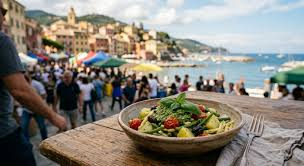
Food has a special way of turning an ordinary journey into an unforgettable experience. Whether you are exploring a busy city, visiting a quiet coastal town, or discovering a new culture, tasting local dishes can make the trip much more exciting. A Food Fun Trip is not simply Food Fun Trip about eating meals; it is about discovering flavors, meeting people, learning traditions, and creating memories through food. From delicious street snacks to elegant fine dining, every stop can offer something unique.
What Makes a Food Fun Trip Special?
A Food Fun Trip combines travel and food exploration in a way that allows travelers to experience a destination through its cuisine. Food reflects the history, lifestyle, traditions, and creativity of a community. A simple street snack can tell a story about local traditions, while a sophisticated restaurant may showcase modern interpretations of traditional recipes.
The best part is that there is no single way to enjoy a food-focused journey. Some travelers prefer small food stalls and local markets, while others enjoy comfortable restaurants and carefully prepared tasting menus. Exploring both gives you a complete picture of the destination.
Starting With Local Street Food
Street food is often one of the most exciting places to begin a culinary adventure. Busy markets and roadside food stalls are filled with aromas, colors, sounds, and people enjoying freshly prepared dishes.
Street food can include everything from grilled snacks and spicy noodles to sandwiches, dumplings, pastries, and regional specialties. These foods are usually prepared quickly and served fresh, making them ideal for travelers who want to taste several different dishes during one outing.
One advantage of street food is that it can introduce visitors to authentic local flavors without requiring a large budget. Travelers can sample several small portions instead of committing to one large meal. This makes it easy to discover new favorites.
Exploring Food Markets
Food markets are another essential part of a Food Fun Trip. Markets bring together fresh ingredients, traditional foods, homemade products, and local vendors in one lively environment.
Walking through a market allows travelers to see ingredients they may never encounter at home. Fresh fruits, vegetables, spices, herbs, seafood, baked goods, and regional specialties can all provide insight into local eating habits.
Markets are also excellent places to interact with residents. Friendly conversations with vendors can sometimes reveal interesting information about popular dishes, traditional cooking methods, and hidden food spots.
Discovering Traditional Restaurants
After enjoying street food and markets, visiting traditional restaurants provides another perspective. These restaurants often specialize in regional recipes that have been passed down through generations.
A traditional restaurant can be a great place to enjoy a complete meal at a relaxed pace. Instead of sampling one quick snack, travelers can experience appetizers, main dishes, side dishes, desserts, and local beverages.
Trying traditional meals also encourages travelers to move beyond familiar foods. Even if a dish contains ingredients you have never tried before, approaching the experience with curiosity can make the meal more enjoyable.
The Excitement of Fine Dining
Fine dining brings a completely different style to a Food Fun Trip. Elegant restaurants often focus on presentation, technique, service, and carefully selected ingredients.
Fine dining is not only about expensive food. It is about experiencing how chefs combine flavors, textures, colors, and cooking techniques to create memorable dishes. Some restaurants also create menus inspired by local history and ingredients, giving guests a modern interpretation of traditional cuisine.
For travelers who enjoy food as an art form, fine dining can become one of the highlights of the journey. A carefully planned dinner can provide a relaxing and memorable ending to a busy day of exploration.
Mixing Different Food Experiences
The most enjoyable Food Fun Trip does not have to focus on one type of restaurant. Mixing different experiences can make the journey more interesting.
For example, a traveler might start the morning with fresh pastries from a local bakery, enjoy street food for lunch, visit a traditional restaurant for an afternoon meal, and finish the evening at a fine dining restaurant.
This variety allows travelers to experience different sides of the same destination. Casual food can provide an authentic everyday experience, while fine dining can demonstrate creativity and modern culinary skills.
Learning Through Food
Food travel can also be educational. Every dish has a background, and learning about that background can make the experience more meaningful.
Travelers can research the origins of popular dishes, discover how certain ingredients are produced, or learn why particular meals are important during festivals and celebrations. Cooking classes can provide another opportunity to understand local cuisine.
Even simple activities, such as watching a chef prepare a traditional dish, can help travelers appreciate the work and knowledge involved in preparing food.
Planning Your Food Fun Trip
A successful Food Fun Trip benefits from a little planning. Before traveling, research popular local dishes and identify markets, restaurants, bakeries, and food streets worth visiting.
It is also useful to avoid filling every meal with a large portion. Sampling smaller dishes allows you to try more foods throughout the day. Keeping a flexible schedule is equally important because some of the best culinary discoveries can happen unexpectedly.
Travelers should also consider dietary requirements and food allergies before trying unfamiliar dishes. Learning a few basic words related to ingredients can make communication easier and help avoid unwanted ingredients.
Creating Lasting Food Memories
One of the greatest benefits of a Food Fun Trip is the memories created along the way. A particular aroma from a market, the taste of a traditional dessert, or an enjoyable dinner with friends can remain memorable long after the journey ends.
Taking photos of dishes, keeping a small food journal, or writing down the names of favorite meals can help preserve those memories. Later, travelers may even try recreating some of the dishes at home.
Conclusion
From lively street food stalls to sophisticated fine dining restaurants, a Food Fun Trip offers countless ways to explore a destination. It combines travel, culture, discovery, and enjoyment into one memorable experience. Street food provides an authentic taste of everyday life, markets introduce local ingredients, traditional restaurants reveal culinary heritage, and fine dining showcases creativity.
The key is to remain curious and willing to try something new. Every meal can become part of the adventure, and every flavor can tell a story. With thoughtful planning and an open mind, a Food Fun Trip can transform an ordinary vacation into a delicious journey filled with unforgettable experiences.
