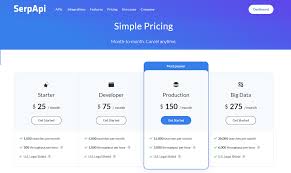

Search engine results play an important role in modern SEO, digital marketing, data analysis, and application development. Businesses and developers often need reliable serpapi pricing access to search results without manually checking search engines. This is where SerpApi can be useful. It provides an API-based way to collect search engine results and integrate them into software, dashboards, research tools, and marketing platforms.
However, choosing the right plan requires understanding your search volume, project requirements, and expected usage. This SERPAPI pricing guide explains the main factors to consider when selecting a suitable plan.
What Is SerpApi?
SerpApi is a search engine results API designed to provide structured search data through an API. Instead of manually performing searches, developers can send requests and receive search results in a format that applications can process.
The platform can be useful for SEO professionals, agencies, developers, researchers, and businesses that need search data regularly. Depending on the search engine and API configuration, users may be able to retrieve information such as organic results, advertisements, local results, shopping results, news, images, and other search features.
The main benefit is automation. Rather than repeatedly collecting search results manually, an application can request the information automatically.
Understanding SERPAPI Pricing
When reviewing SERPAPI pricing, the most important factor is usually the number of searches or API requests your project requires. Different plans are designed for different levels of usage, so it is important to estimate your monthly requirements before choosing a subscription.
A small personal project may need only a limited number of searches each month. In contrast, an SEO platform, keyword tracking system, or large agency may require thousands or even millions of searches.
Pricing can also depend on factors such as available features, usage limits, support options, and account requirements. Since pricing and plan structures can change, users should always check the provider’s current pricing page before making a purchasing decision.
Choosing a Plan Based on Search Volume
The first step in selecting a plan is calculating your expected monthly search volume.
For example, suppose you are building a small keyword research tool and expect approximately 2,000 API searches per month. A lower-tier plan may be sufficient. If your application needs 50,000 or more searches every month, you may need a higher plan designed for larger workloads.
Agencies should consider the combined requirements of all clients. If several customers use an SEO dashboard simultaneously, API usage can increase quickly.
It is better to estimate your average usage and leave some room for growth rather than selecting a plan that is already close to its maximum limit.
Free or Trial Options
For users who are testing an API for the first time, a free or trial option can be helpful if currently offered. Testing allows developers to understand how requests work and determine whether the API provides the search data their application requires.
A trial can also help estimate real-world usage. For example, you can test your application for several days and monitor how many searches it performs. This information can then help you choose an appropriate paid plan.
Before relying on a free plan for a production application, check its limitations carefully. Free access may have restrictions on search volume, features, or commercial usage.
Consider Your Business Requirements
Price should not be the only factor when selecting a SerpApi plan. Businesses should also consider reliability, scalability, available search engines, response formats, and technical requirements.
An SEO agency may need consistent access to search results for keyword monitoring and competitor research. A software company might require API access for a customer-facing application. A researcher may need occasional searches rather than continuous automated requests.
Each use case can require a different level of API capacity.
Planning for Growth
One common mistake is choosing a plan based only on current usage. If your application or business is growing, API requirements may increase significantly.
For example, a keyword tracking application might start with 5,000 searches per month but eventually serve hundreds of users. As the number of tracked keywords increases, API consumption can grow rapidly.
When comparing SERPAPI pricing, consider where your project could be six or twelve months from now. A plan that supports future growth can prevent unnecessary disruptions.
Compare Cost With Alternatives
It is also useful to compare SerpApi with other search API providers. Look beyond the advertised monthly price and consider the actual cost per search, included features, reliability, supported search engines, and ease of integration.
The cheapest service is not always the most cost-effective option. If an API provides better reliability or saves significant development time, it may offer greater overall value.
Create a simple comparison based on your expected monthly search volume and business requirements before making a final decision.
Monitor Your API Usage
After selecting a plan, continue monitoring your API consumption. Usage monitoring can help identify unexpected increases and prevent you from reaching your monthly limits.
If your searches suddenly increase, investigate the reason. An inefficient application, repeated requests, or unnecessary keyword checks can consume API credits quickly.
Optimizing your code and avoiding duplicate requests can help control costs.
Final Thoughts
Choosing the right SerpApi plan depends largely on your search volume, project size, required features, and future growth. A small developer project may need only basic API access, while an enterprise SEO platform can require significantly greater capacity.
The best approach is to estimate your monthly searches, test the service when possible, review available features, and compare the total value of different options. Because SERPAPI pricing and plan details can change over time, always verify the latest information directly from the provider before subscribing.
With careful planning and usage monitoring, you can select an API plan that fits your current needs while leaving enough room for future growth.