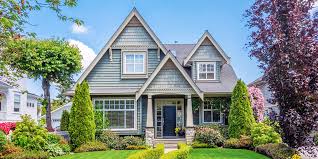

Sustainable practices in property and real estate development have become more than a trend—they are now a necessity. As urban areas expand and environmental concerns grow, developers, planners, and property owners are recognizing the importance of integrating eco-friendly methods into construction and design. The goal is to create spaces that are not only economically viable but also environmentally responsible and socially beneficial. One of the key components of achieving this vision is thoughtful town planning, which lays the groundwork for sustainable growth and livable communities.
The Importance of Sustainable Development in Real Estate
Sustainable development in real estate focuses on minimizing environmental impact while maximizing efficiency and community well-being. Traditional construction practices often lead to excessive energy consumption, waste generation, and environmental degradation. By adopting sustainable strategies, developers can reduce carbon footprints, conserve natural resources, and improve the quality of life for residents.
Sustainable practices can range from using energy-efficient building materials and renewable energy sources to implementing water-saving systems and promoting green transportation. These approaches not only benefit the environment but also enhance property value, attract environmentally conscious buyers, and contribute to long-term operational cost savings.
Integrating Town Planning into Sustainability
Town planning plays a pivotal role in ensuring that sustainability is embedded in the development process. Proper planning involves designing communities that are well-organized, efficient, and resilient. Effective town planning ensures optimal land use, reduces urban sprawl, and promotes mixed-use development. By carefully considering the placement of residential, commercial, and recreational areas, planners can reduce reliance on vehicles, lower emissions, and encourage walkability and public transportation.
Incorporating green spaces, parks, and urban forests within town planning frameworks enhances biodiversity and provides residents with healthier living environments. Moreover, sustainable town planning emphasizes the importance of resilient infrastructure that can withstand natural disasters, climate change effects, and resource scarcity.
Green Building Materials and Energy Efficiency
A cornerstone of sustainable property development is the use of environmentally friendly building materials. Developers are increasingly opting for materials that have low environmental impact, are renewable, or can be recycled. Examples include bamboo, reclaimed wood, recycled steel, and low-VOC paints. These materials help reduce the carbon footprint of construction projects and contribute to healthier indoor environments.
Energy efficiency is another crucial factor. Installing solar panels, energy-efficient lighting, high-performance insulation, and smart heating and cooling systems can dramatically lower energy consumption. Buildings designed with passive energy strategies, such as proper orientation for sunlight and natural ventilation, further enhance sustainability.
Water Management and Conservation
Water is a critical resource, and sustainable real estate development must address its conservation. Implementing rainwater harvesting systems, greywater recycling, and low-flow plumbing fixtures can significantly reduce water consumption in buildings. Sustainable landscaping practices, including xeriscaping and native plant use, also minimize the need for irrigation and promote ecosystem health.
Town planning ensures that water resources are managed efficiently at a community level. Designing developments with permeable surfaces, green roofs, and stormwater management systems helps reduce flooding risks and maintains the natural water cycle.
Promoting Sustainable Transportation
Transportation is a major contributor to greenhouse gas emissions, making it essential to integrate sustainable mobility options in property developments. Town planning strategies that encourage walking, cycling, and public transportation help reduce dependence on private vehicles. Providing pedestrian-friendly pathways, bike lanes, and easy access to transit hubs not only cuts emissions but also improves the health and well-being of residents.
Electric vehicle charging infrastructure is another innovation being incorporated into modern real estate projects. By anticipating the shift toward electric mobility, developers create future-ready communities that support sustainable transportation choices.
Community Engagement and Social Sustainability
Sustainability in real estate is not limited to environmental considerations; it also encompasses social and economic factors. Creating inclusive, diverse, and vibrant communities is a key aspect of sustainable development. Developers can foster social sustainability by offering affordable housing, community amenities, public spaces, and programs that encourage interaction and cohesion among residents.
Town planning supports these objectives by designing neighborhoods that are safe, accessible, and equipped with facilities that meet the needs of all demographics. Sustainable developments prioritize human well-being alongside environmental goals, ensuring that communities thrive in the long term.
Technology and Smart Development
Technological innovations are revolutionizing sustainable real estate development. Smart building systems allow for real-time monitoring of energy and water usage, waste management, and indoor environmental quality. Developers can use data-driven insights to optimize building performance, reduce costs, and enhance occupant comfort.
Urban planning technologies, including Geographic Information Systems (GIS) and Building Information Modeling (BIM), assist in designing efficient layouts, assessing environmental impact, and planning sustainable infrastructure. By combining technology with thoughtful town planning, developers can create highly sustainable and resilient communities.
Economic Benefits of Sustainability
Sustainable practices in property development are not only good for the environment but also make strong economic sense. Energy-efficient buildings reduce utility costs, lower maintenance expenses, and often qualify for government incentives or tax benefits. Green certifications, such as LEED or BREEAM, can increase property value and appeal to tenants and buyers who prioritize sustainability.
Communities designed with sustainable town planning attract businesses and residents who value quality of life, leading to stronger local economies. Over time, the integration of eco-friendly practices contributes to long-term financial stability for both developers and residents.
Challenges and Future Outlook
Despite the clear benefits, sustainable real estate development faces challenges, including higher upfront costs, regulatory hurdles, and the need for specialized expertise. Developers must balance profitability with environmental responsibility while navigating complex planning approvals and market demands.
However, as awareness grows and technology advances, sustainable practices are becoming more accessible and cost-effective. Future real estate developments will likely feature net-zero energy buildings, circular economy principles, and even greater integration of town planning principles to ensure environmental resilience and social well-being.
Conclusion
Sustainable practices in property and real estate development are essential for creating a future where communities can thrive without compromising the environment. From green building materials and energy efficiency to water conservation, sustainable transportation, and inclusive community planning, every aspect of development contributes to long-term sustainability. Town planning serves as the backbone of these efforts, ensuring that developments are well-organized, environmentally responsible, and socially vibrant. By embracing sustainability, the real estate industry can play a pivotal role in shaping resilient, healthy, and livable urban landscapes for generations to come.
Integrating sustainability into every phase of property development is no longer optional—it is a responsibility. Developers who adopt these practices are not only protecting the planet but also creating smarter, more desirable communities that reflect the values of modern society.