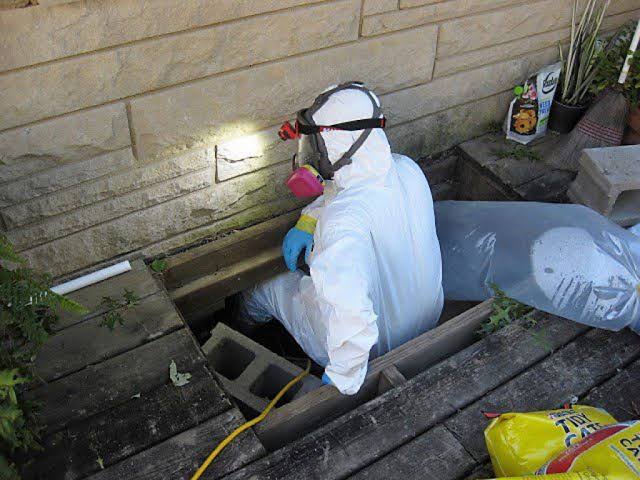

Water damage can happen unexpectedly because of burst pipes, leaking appliances, overflowing sinks, heavy rainfall, or flooding. Even a small amount of unwanted water can create serious problems if it is not addressed quickly. Moisture can spread into flooring, walls, ceilings, furniture, and other structural components, increasing the risk of long-term damage. Hiring a professional water restoration service can help property owners respond quickly, remove moisture effectively, and restore affected areas to a safe and usable condition.
Professional restoration teams bring specialized equipment, technical knowledge, and organized procedures to water-related emergencies. Instead of relying on household cleaning methods, property owners can receive a comprehensive response designed to identify damage, control moisture, and support proper recovery.
Faster Response to Water Damage
One of the most important benefits of professional restoration is a faster response. Water can continue spreading through porous materials after the original leak or flooding event has stopped. Carpets, drywall, wood, insulation, and upholstery can absorb substantial amounts of moisture.
A professional team can begin the assessment and restoration process promptly. Quick action helps limit the affected area and may reduce the amount of materials that need to be repaired or replaced. Responding early is especially important when water has entered multiple rooms or reached structural components.
A water restoration service can also help property owners understand which problems need immediate attention and which repairs can be handled during later stages of recovery.
Professional Water Extraction
Removing standing water is a major part of the restoration process. Household mops, towels, and standard wet vacuums may not be sufficient when a large volume of water has entered a property.
Professional restoration technicians use commercial-grade extraction equipment to remove water efficiently. Depending on the situation, this can include powerful pumps, wet vacuums, and specialized extraction tools. Removing standing water quickly reduces the amount of moisture available for further absorption.
Effective extraction also prepares the property for drying. Once excess water has been removed, technicians can focus on moisture trapped in floors, walls, furnishings, and other materials.
Advanced Moisture Detection
Water damage is not always visible. Moisture can travel underneath flooring, behind walls, beneath cabinets, or inside other concealed spaces. Simply drying visible surfaces may leave hidden moisture behind.
Professional restoration teams can use moisture meters, thermal imaging equipment, and other detection tools to identify areas that may require additional drying. This allows restoration work to be based on actual moisture conditions rather than appearance alone.
Identifying hidden moisture is particularly valuable because untreated damp areas can contribute to odors, material deterioration, and other secondary problems.
Reduced Risk of Secondary Damage
Delays in water restoration can allow damage to become more extensive. Saturated wood may weaken, drywall can deteriorate, flooring materials can become damaged, and furniture may be affected by prolonged exposure to moisture.
A professional water restoration service follows a structured process to control these risks. Technicians can identify damaged materials, remove water, establish drying conditions, and monitor progress throughout the restoration.
This organized approach can help prevent a manageable water incident from developing into a much larger property restoration project.
Professional Drying and Dehumidification
Water extraction is only one stage of restoration. After visible water has been removed, significant moisture may remain inside materials and the surrounding air.
Professional drying equipment can help accelerate evaporation and reduce indoor humidity. Air movers circulate air across wet surfaces, while dehumidifiers remove moisture from the environment. Technicians can position this equipment according to the affected area’s conditions.
The drying process should continue until moisture levels have returned to appropriate conditions. Professional monitoring can help determine whether additional drying is necessary instead of relying only on how dry a surface feels.
Protection for Structural Materials
Water can affect many components of a property, including wood framing, subfloors, drywall, insulation, ceilings, and other building materials. The longer these materials remain exposed to moisture, the greater the possibility of deterioration.
A professional restoration team can assess affected materials and determine which items may be restorable and which may require removal or replacement. This assessment helps prevent unnecessary demolition while ensuring severely damaged materials receive appropriate attention.
Protecting structural components early can also help preserve the property’s functionality and reduce disruption during the recovery process.
Assistance With Odor Control
Persistent moisture can contribute to unpleasant odors inside a property. These smells may remain even after standing water has been removed if moisture is still trapped in porous materials.
Professional restoration focuses on identifying and addressing the underlying moisture source. Proper extraction, drying, ventilation, and cleaning can help reduce conditions associated with persistent odors.
Rather than simply covering an odor with air fresheners, restoration professionals work toward resolving the moisture-related cause.
Help With Damaged Contents
Water damage can affect more than the building itself. Furniture, carpets, clothing, electronics, documents, and personal belongings may also be exposed to water.
Depending on the type and severity of the damage, some contents may be cleaned, dried, or otherwise restored. Professional technicians can evaluate affected belongings and separate items that may be salvageable from those that are too severely damaged.
Careful handling during this stage can help property owners preserve valuable possessions whenever practical.
Better Organization During an Emergency
Water damage can be stressful because property owners may not know where to begin. Attempting to manage extraction, drying, cleaning, and repairs independently can quickly become overwhelming.
A professional water restoration service provides an organized process. The team can assess the situation, identify priorities, remove water, establish drying procedures, monitor affected areas, and coordinate additional restoration work when necessary.
Having a structured plan can make the recovery process easier to manage and help property owners focus on important decisions.
Potentially Lower Restoration Costs
Professional restoration involves an upfront expense, but timely intervention may help limit the overall scope of damage. When moisture is addressed early, fewer materials may require replacement, and secondary damage may be reduced.
For example, quickly extracting water from a carpeted area may help prevent moisture from spreading into the underlying structure. Similarly, early drying can help protect materials that might otherwise require extensive replacement.
The actual cost of restoration depends on factors such as the amount of water, affected materials, duration of exposure, and size of the property.
Support With Documentation
Water damage may require detailed documentation for property management, landlords, or insurance purposes. Professional restoration companies often document affected areas, restoration activities, moisture readings, and completed work.
Clear records can provide useful information about what happened and how the property was handled during the recovery process. Property owners should still communicate directly with their insurance provider regarding coverage, requirements, and documentation procedures.
Improved Long-Term Property Recovery
Restoration is not simply about making a wet area look clean again. The goal is to address the effects of water damage thoroughly so the property can return to normal use.
Professional assessment, extraction, drying, cleaning, and monitoring can create a more complete recovery process. By addressing both visible and hidden moisture, restoration professionals can help reduce the likelihood of unresolved water-related problems.
Choosing Professional Help After Water Damage
When water damage occurs, acting quickly can make a meaningful difference. A qualified water restoration service can provide specialized equipment, moisture detection, professional extraction, controlled drying, and organized recovery procedures.
Property owners should look for restoration professionals with appropriate experience, clear service procedures, and transparent communication. It is also useful to ask what equipment will be used, how moisture will be monitored, and what steps are included in the restoration process.
Ultimately, professional restoration can provide valuable support during a difficult property emergency. By responding quickly and addressing moisture systematically, property owners can protect affected areas, preserve belongings when possible, reduce secondary damage, and move toward a safer and more complete recovery.