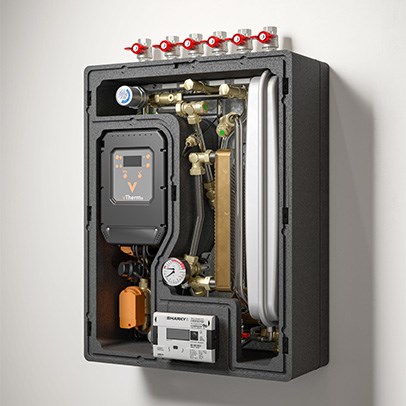

A well-planned maintenance strategy can help keep heating and hot water systems dependable throughout the year. For properties using Heat Interface Units (HIUs), regular inspections and servicing can reduce the likelihood of unexpected faults, improve system performance, and support a more comfortable indoor environment. Creating a preventive maintenance plan around HIU service London gives property owners, landlords, facilities teams, and building managers a structured way to monitor equipment and address potential issues before they become expensive problems.
Rather than waiting for a breakdown, preventive maintenance focuses on scheduled checks, cleaning, testing, and professional servicing. This approach can also make it easier to identify changes in performance and arrange repairs at a convenient time.
Understanding the Role of an HIU
A Heat Interface Unit transfers heat from a communal or district heating network into a property’s heating and domestic hot water systems. Unlike traditional individual boilers, HIUs depend on several components working together efficiently.
These components can include heat exchangers, valves, filters, temperature sensors, pumps, controls, and safety devices. A problem with one component may affect heating or hot water performance.
Because HIUs are integrated into larger heating systems, maintenance should not only focus on visible faults. Regular professional inspections can help identify issues that may otherwise remain unnoticed until they develop into a significant failure.
Why Preventive Maintenance Matters
Preventive maintenance provides an organized method for looking after heating equipment. Small problems, such as restricted filters, unusual pressure readings, temperature inconsistencies, or control issues, may become more serious when ignored.
A scheduled maintenance program allows these conditions to be identified earlier. This can help reduce emergency callouts and potentially extend the useful operating life of system components.
For residential developments, apartment buildings, and managed properties, consistent maintenance can also make service planning easier because inspections are performed according to a defined schedule rather than only when occupants report problems.
Start With a Detailed Equipment Assessment
The first step in creating a preventive maintenance plan is understanding the equipment being maintained. Property managers should record the HIU model, installation date, location, service history, and relevant manufacturer information.
Keeping accurate records makes future inspections more efficient. Technicians can review previous findings and determine whether a recurring issue requires additional attention.
Create an Equipment Register
An equipment register can include:
- HIU model and serial number
- Installation date
- Property or apartment reference
- Manufacturer recommendations
- Previous service dates
- Repairs and replacement components
- Reported performance problems
- Inspection findings
For buildings containing multiple HIUs, organizing this information by apartment or unit can make maintenance scheduling much easier.
Establish a Regular Inspection Schedule
A preventive maintenance plan works best when inspections occur consistently. The exact frequency should depend on the equipment manufacturer’s recommendations, building requirements, usage patterns, and professional assessment.
A basic schedule may include routine visual checks, periodic professional servicing, and additional inspections when performance changes are noticed.
Routine Visual Checks
Property teams can look for obvious warning signs between professional service visits. These may include unusual noises, visible leaks, inconsistent hot water temperatures, error messages, or heating that does not perform as expected.
Occupants can also be encouraged to report problems promptly. Early reporting can prevent a minor issue from developing into a larger maintenance concern.
Professional Servicing
Professional technicians should carry out technical inspections and servicing according to appropriate procedures. A professional HIU service London appointment can involve checking relevant components, assessing system performance, identifying faults, and recommending corrective work where necessary.
Keep Filters and Components Clean
Dirt and debris can affect the performance of heating equipment. Filters and other components may become restricted over time, potentially reducing efficiency and affecting water flow.
During scheduled maintenance, appropriate components should be inspected and cleaned or replaced where necessary. Technicians can determine whether a component requires attention based on its condition and the manufacturer’s requirements.
Regular cleaning should not be treated as a one-time task. Including it in a maintenance schedule helps ensure that important components are not forgotten.
Monitor Heating and Hot Water Performance
Performance monitoring is another important part of preventive maintenance. Changes in heating response, hot water temperature, flow, or control behavior may indicate an underlying problem.
Property managers can maintain simple records of recurring complaints and technician findings. If several occupants experience similar problems, this information may point toward a wider system issue rather than an isolated fault.
Watch for Warning Signs
Common signs that an HIU may require professional attention can include:
- Inconsistent hot water
- Slow heating response
- Unusual operating sounds
- Visible water leakage
- Repeated error messages
- Temperature fluctuations
- Poor heating performance
- Controls that do not respond correctly
These symptoms do not necessarily identify a specific fault. Professional assessment is important before deciding what repairs or adjustments are required.
Plan Maintenance Before Peak Demand
Timing can make a major difference to maintenance management. Heating systems often experience greater demand during colder periods. Scheduling planned servicing before periods of heavy use can give property managers an opportunity to address potential problems in advance.
For larger residential developments, maintenance can be organized in stages so that technicians can inspect multiple units efficiently while minimizing disruption to residents.
A clear schedule should include appointment dates, responsible personnel, access arrangements, and follow-up requirements.
Maintain Accurate Service Records
Every maintenance visit should be documented. A service record can provide valuable information about the history of an HIU and help technicians understand recurring issues.
Records may include the date of inspection, work completed, components checked, faults identified, parts replaced, and recommendations for future maintenance.
Digital records can make it easier for property managers to identify patterns. For example, repeated repairs involving the same component may indicate that additional investigation is needed.
Use Records to Improve Future Planning
Maintenance records should not simply be stored and forgotten. Reviewing them periodically can help managers identify frequently occurring problems and adjust maintenance schedules where appropriate.
This creates a continuous improvement process in which each service visit contributes to better planning for the next one.
Work With Qualified Professionals
HIUs contain technical components that require appropriate knowledge and experience. Professional servicing is particularly important when a system has a complex fault or requires component replacement.
When arranging HIU service London, property managers should consider the technician’s experience with the relevant type of HIU and their ability to provide clear service documentation.
Professional support can also help ensure that maintenance activities are carried out in accordance with manufacturer requirements and applicable procedures.
Create a Simple Preventive Maintenance Checklist
A checklist can make maintenance easier to manage. It can include equipment identification, visual inspection, component checks, performance assessment, cleaning requirements, fault reporting, and recommendations.
For larger properties, the checklist can be adapted for each HIU while retaining consistent inspection categories.
A practical checklist may include:
- Confirm equipment identification.
- Review previous service records.
- Check for visible leaks or damage.
- Review reported occupant concerns.
- Inspect relevant components.
- Check operating performance.
- Clean or replace appropriate components when required.
- Record faults and recommendations.
- Schedule follow-up work.
- Update the maintenance history.
Conclusion
Building a preventive maintenance plan around HIU service London involves more than scheduling occasional repairs. It requires a structured approach that combines regular inspections, professional servicing, accurate record keeping, performance monitoring, and timely corrective action.
By maintaining detailed equipment records, establishing appropriate service intervals, monitoring warning signs, and working with qualified professionals, property managers can create a more organized approach to HIU maintenance. The goal is to identify potential problems early, maintain reliable heating and hot water performance, and reduce the disruption associated with unexpected failures.
A preventive plan should also remain flexible. Equipment condition, manufacturer guidance, building requirements, and usage patterns can change over time. Reviewing the maintenance strategy regularly ensures that it continues to meet the needs of the property and its occupants.