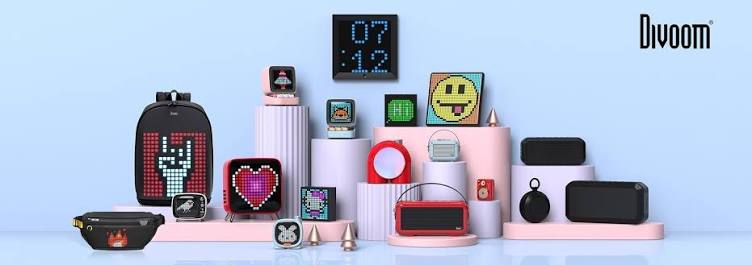

Digital content has become an essential part of everyday life. From weather updates and notifications to music, artwork, schedules, and social media-inspired visuals, people interact with digital information almost constantly. However, traditional screens often treat this content as something purely functional. Divoom is helping change that approach by combining digital information with creative visual design, turning everyday displays into interactive and expressive pieces of technology.
Rather than relying on conventional screens designed primarily for productivity, Divoom focuses on making digital content more visually engaging. Its pixel-inspired displays and connected devices can bring animated artwork, personalized graphics, useful information, and entertainment into homes, offices, bedrooms, and creative spaces.
Making Digital Information More Visual
One of the most important ways Divoom is transforming digital content is by changing how information is presented. A standard notification or weather update can feel ordinary when displayed on a conventional screen. With a creative pixel display, the same information can become part of a colorful visual experience.
Pixel-based graphics offer a distinctive appearance that combines modern technology with the nostalgic appeal of classic digital art. This style makes information easier to notice while adding personality to the surrounding environment. Users can display animations, icons, characters, clocks, messages, and other graphics according to their preferences.
This approach demonstrates that digital information does not have to be visually boring. Useful content can also become part of interior decoration and personal expression.
Turning Screens Into Creative Décor
Screens have traditionally been associated with computers, televisions, and smartphones. They are usually designed to disappear into the background when not actively being used. Divoom takes a different approach by making the display itself an important part of a room’s visual identity.
A compact digital display can sit on a desk, shelf, bedside table, or other convenient surface while showing changing artwork throughout the day. Instead of leaving a blank screen when there is no immediate information to view, users can display pixel art or animations that complement their surroundings.
This makes digital displays particularly interesting for people who enjoy creative room setups. A workspace can feature colorful animated artwork, while a bedroom can use softer visuals and a digital clock. The same type of technology can therefore serve both functional and decorative purposes.
Personalization at the Center
Personalization is another major factor behind the changing digital-display experience. People have different tastes in colors, artwork, animations, information, and visual themes. Divoom supports this desire for customization by allowing digital content to become more closely connected with individual preferences.
Instead of accepting a fixed display, users can choose content that reflects their interests and mood. Pixel artwork can create a playful atmosphere, while practical information can make the display useful throughout the day.
Personalization also gives users more control over how technology fits into their environment. Rather than allowing a device to dictate its appearance, people can make the display feel like part of their existing décor.
Connecting Entertainment and Information
Modern consumers increasingly expect their devices to perform multiple roles. A product that only displays a clock may feel limited, while a device capable of combining information, entertainment, and artwork can become more useful.
Divoom’s approach reflects this shift. A digital display can provide practical information while also serving as a source of entertainment and visual creativity. Depending on the device and available features, users may explore clocks, pixel artwork, animations, notifications, music-related visuals, and other forms of digital content.
This combination reduces the separation between utility and entertainment. A display no longer needs to be either a productivity tool or a decorative object. It can function as both.
Creating More Engaging Workspaces
Workspaces are another area where creative digital displays can make a difference. Many desks contain laptops, keyboards, monitors, chargers, and other equipment. While these devices provide important functionality, they can sometimes create a visually repetitive environment.
Adding a compact Divoom display can introduce a more expressive element to the desk. Users can select artwork, animations, or information that provides visual variety during work or study sessions.
A digital clock can help with time awareness, while changing pixel art can add personality to an otherwise technical workspace. For creative professionals, students, gamers, and technology enthusiasts, this combination can make the desk feel more personalized.
Supporting Digital Art Culture
Pixel art has developed from a technical limitation into a recognized creative style. Artists can use small grids, carefully selected colors, and individual pixels to create surprisingly detailed characters, landscapes, symbols, and animations.
Divoom helps bring this form of digital art beyond computers and mobile devices. By placing pixel-based visuals into physical spaces, digital artwork becomes something people can experience as part of their surroundings.
This creates a bridge between digital creativity and physical décor. A piece of pixel art does not have to remain inside an application or online gallery. It can become an animated feature of a bedroom, office, gaming setup, or living area.
Bringing Technology Into Everyday Spaces
Another important transformation is the way digital technology is entering spaces where people previously expected little or no digital interaction. Bedrooms, desks, shelves, and entertainment areas can now incorporate small connected displays without requiring large screens.
The compact nature of many creative displays makes them easy to integrate into different environments. Their purpose can change depending on where they are placed. On a desk, the display may emphasize productivity and notifications. In a bedroom, it may focus on time, atmosphere, or calming visuals. In a gaming space, it can contribute to a more energetic visual theme.
This flexibility makes digital content more accessible and less dependent on traditional computing devices.
A New Approach to Digital Expression
Divoom also reflects a broader change in how people think about technology. Consumers increasingly want devices that express individuality rather than simply perform technical functions.
Digital products are becoming part of personal style. Just as people select furniture, lighting, artwork, and accessories according to their tastes, they can also choose technology that matches their identity and environment.
A customizable digital display fits naturally into this trend. Its content can change whenever the user wants, allowing one physical device to support many different visual experiences.
The Future of Everyday Digital Displays
As connected technology continues to evolve, displays are likely to become increasingly flexible and personalized. People may expect digital devices to provide information without sacrificing visual appeal. Instead of placing large screens everywhere, consumers can use smaller displays that provide focused information while adding character to their surroundings.
Divoom’s creative approach illustrates how this future can look. Digital content can become more interactive, decorative, customizable, and enjoyable without losing its practical purpose.
The transformation is not simply about making screens more colorful. It is about changing the relationship between people and digital information. When useful content is presented through creative visuals, technology becomes something people can enjoy looking at rather than something they only interact with when necessary.
Conclusion
Divoom is helping redefine digital displays by combining information, entertainment, personalization, and digital art in compact visual devices. Its pixel-inspired approach gives users new ways to experience content throughout everyday environments, from workspaces and bedrooms to gaming areas and creative rooms.
The result is a more expressive form of technology in which screens can serve practical purposes while also contributing to décor and personal style. As people continue searching for smarter and more personalized ways to interact with digital content, creative displays are likely to become an increasingly familiar part of modern spaces. Divoom demonstrates that digital information can be useful, entertaining, and visually inspiring at the same time.
