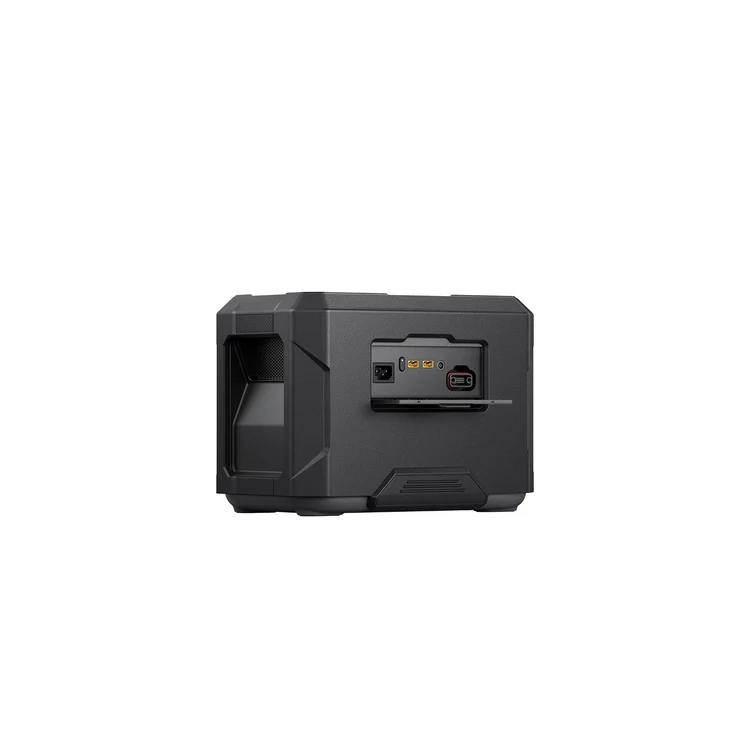

Modern homes depend on electricity for almost everything, from keeping food refrigerated to charging smartphones, powering Wi-Fi routers, running lights, and supporting essential appliances. When unexpected outages occur, having dependable backup power can make a significant difference. The GEYOTO N1000 home backup power station is designed to provide a convenient and flexible energy solution for households that want reliable electricity without depending entirely on traditional fuel-powered generators.
Unlike conventional generators that typically require gasoline or diesel, a portable power station stores electrical energy in an internal battery and makes that energy available through multiple output ports. This approach can provide a quieter, cleaner, and more convenient way to handle short-term power interruptions. Whether the goal is emergency preparedness, outdoor use, or everyday backup, a capable power station can become an important part of a home’s energy strategy.
Understanding the GEYOTO N1000 Home Backup Power Station
The GEYOTO N1000 home backup power station can be viewed as a centralized portable energy source for essential devices and appliances. Instead of connecting each device to a separate battery pack, users can connect multiple compatible electronics to the power station’s available outlets and charging ports.
The N1000 designation suggests a product positioned around the 1,000-watt class, making this type of power station useful for a variety of household electronics and moderate power demands. Actual operating capacity, supported devices, charging performance, and output limits should always be checked against the manufacturer’s specifications before use.
One of the biggest advantages of a portable power station is its versatility. It can remain charged and ready at home for emergencies, then be taken outdoors when needed. This makes it different from fixed backup systems that are permanently installed in one location.
Key Features to Consider
A home backup power station should provide more than simply stored energy. Its overall usefulness depends on battery capacity, output options, charging methods, portability, safety features, and ease of operation.
Multiple Power Outputs
One important feature is the availability of different output options. Household electronics can use different connectors and power requirements, so a combination of AC outlets, USB ports, and DC outputs can make a power station more versatile.
USB ports are particularly useful for smartphones, tablets, cameras, and other small electronics. AC outlets can support compatible household equipment, while DC connections may be useful for specific low-voltage devices.
Portable Design
Portability is another major benefit. A traditional standby generator is generally installed in a fixed location, while a portable power station can be moved from room to room or transported to a campsite, vehicle, workshop, or other location.
For emergency situations, portability allows users to place the unit close to the devices that need electricity. During outdoor activities, the same unit can serve as a convenient source of stored energy away from conventional electrical outlets.
Rechargeable Battery System
The battery is the heart of any portable power station. A rechargeable battery allows the unit to store energy ahead of an outage and use it when grid electricity becomes unavailable.
Regularly maintaining an appropriate charge level can help ensure that backup power is available when it is needed. Users should also follow the manufacturer’s recommendations for storage, charging, temperature, and long-term maintenance.
Flexible Charging Options
A versatile power station can potentially be recharged through several methods, depending on the model and available accessories. AC charging is convenient at home, while solar charging can provide an alternative when grid electricity is unavailable.
Solar compatibility is particularly valuable for extended emergencies or outdoor trips. When sunlight is available, solar panels can help replenish stored energy without requiring conventional fuel.
Home Uses of the GEYOTO N1000
The GEYOTO N1000 home backup power station can serve many practical purposes around the house. During a short outage, it can help maintain access to essential electronics and keep everyday activities running.
Emergency Lighting
Lighting is one of the simplest and most useful applications. Connecting compatible lamps or lights to a backup power station can help households remain comfortable and safe during nighttime outages.
Instead of relying exclusively on candles or disposable batteries, stored electrical energy can provide a more convenient source of illumination.
Communication and Internet Equipment
Power outages can interrupt communication and internet access. Keeping smartphones, tablets, laptops, Wi-Fi equipment, or other communication devices charged can be particularly useful during emergencies.
A backup power station can help people maintain contact with family members, monitor emergency information, and continue essential online activities for as long as available energy permits.
Small Appliances and Electronics
Depending on the device’s power requirements and the power station’s output limits, compatible small appliances and electronics may also be supported. Examples can include televisions, fans, monitors, laptops, chargers, and selected kitchen equipment.
It is important to check both the running wattage and startup requirements of appliances before connecting them. Some equipment may require significantly more power when starting than during normal operation.
Outdoor and Recreational Applications
The usefulness of a portable power station extends beyond emergencies. Camping, road trips, tailgating, outdoor photography, and remote work can all benefit from accessible electricity.
For camping, a power station can charge phones, cameras, lights, speakers, and other electronics. During a road trip, it can provide a convenient charging hub for multiple devices.
Remote workers can also use portable energy to keep laptops and communication equipment operating when conventional electrical outlets are unavailable. This flexibility makes a home backup power station useful even when there is no emergency.
Benefits Over Traditional Fuel Generators
One reason consumers consider portable power stations is their convenience compared with conventional fuel generators.
Fuel generators can produce substantial power, but they generally require fuel, produce exhaust, and create engine noise during operation. A battery-powered station operates differently. It does not need gasoline to produce electricity while discharging, and it can operate quietly compared with an engine-driven generator.
There is also less routine handling of fuel. For people living in apartments, neighborhoods with noise concerns, or locations where fuel storage is inconvenient, a portable battery system can be an attractive alternative for certain backup needs.
However, battery power stations are not a universal replacement for every generator. High-demand appliances and whole-home electrical systems may require substantially more power than a portable unit can provide. Choosing the right backup system depends on the home’s specific energy requirements.
Building an Effective Backup Power Plan
Purchasing a power station is only one part of emergency preparedness. A practical backup plan begins by identifying the devices that are genuinely essential.
Create a list of important equipment such as communication devices, lighting, internet equipment, medical-support equipment where appropriate, refrigeration, and work electronics. Record their approximate power consumption and estimate how long they may need to operate.
This information can help determine whether the GEYOTO N1000 home backup power station is suitable for a particular household’s requirements.
It is also helpful to keep charging cables and adapters organized near the power station. The unit should be stored in an appropriate location where it remains accessible but protected from unsuitable temperatures, moisture, and physical damage.
Safe and Efficient Operation
Safety should always be a priority when using portable power equipment. Users should read the manufacturer’s instructions before operating the unit and avoid exceeding its rated output.
Appliances should be connected only when their power requirements are compatible with the station. The power station should also be placed in a suitable environment with adequate ventilation and kept away from water or excessive heat.
Energy can be conserved during extended outages by prioritizing essential devices. Turning off unnecessary electronics, reducing screen brightness, using efficient LED lighting, and avoiding standby consumption can help extend available battery runtime.
Why a Portable Backup Station Can Be Valuable
The biggest advantage of the GEYOTO N1000 home backup power station is flexibility. It can be prepared in advance for emergencies, used to support everyday electronics, and transported for outdoor activities.
For households that do not need a whole-home generator but still want a dependable source of stored electricity, a portable power station can fill an important gap. It offers an alternative to fuel-based backup equipment while providing the convenience of rechargeable energy.
Ultimately, the right choice depends on the user’s power requirements, expected outage duration, appliance types, charging options, and budget. Understanding these factors before purchasing can help ensure that the selected power station provides meaningful support when electricity is unavailable.
Final Thoughts
The GEYOTO N1000 home backup power station represents a practical approach to portable energy management. Its combination of battery storage, multiple potential output options, portability, and flexible applications can make it useful for emergency preparedness as well as outdoor and recreational activities.
A well-planned backup system is about more than owning a power station. It involves understanding household energy needs, keeping the battery properly maintained, prioritizing essential devices, and using the equipment safely. With the right preparation, a portable power station can provide valuable peace of mind when conventional electricity is interrupted.